ABOUT AA19
Organizations become more valuable through experience. The problem is that experience rarely becomes part of the organization itself.
EXPERIENCE DISAPPEARS.
Every business solves problems.
Customers create new situations. Employees discover better ways of working. Founders make difficult decisions.
Over time, those moments shape how the company operates.
Yet most of them disappear almost as quickly as they happen.
They remain inside conversations, documents, and the people who happened to be involved, rather than becoming part of the organization itself.
That observation became the foundation for AA19.
- [ Moment ]PROBLEMS SOLVED
Every business solves problems. Most solutions never make it back into the organization.
- [ Moment ]CUSTOMER SITUATIONS
Customers create new situations. Each one teaches the business something it did not previously know.
- [ Moment ]EMPLOYEE DISCOVERIES
Employees discover better ways of working. The improvement usually stays with the individual.
- [ Moment ]FOUNDER DECISIONS
Founders make difficult decisions. The reasoning behind them rarely outlives the conversation.
OBSERVATION IS NOT THE CONSTRAINT.
Organizational Intelligence is the accumulated judgment of an organization.
Most businesses have access to more information than they know what to do with. Reports, dashboards, CRM records, analytics, and documentation are everywhere.
Observation has never been the constraint. Judgment is.
Knowing what happened is useful. Knowing why a decision was made, whether it produced the desired outcome, and how it should influence future decisions is significantly more valuable.
That is the difference between storing data and building Organizational Intelligence.
EXPERIENCE SHOULD
COMPOUND.
An organization should not rediscover the same solution simply because time has passed.
Not reset. Compound.
Organizations become stronger when learning compounds.
They stay fragile when learning resets.
THE FIRST SIGNAL.
AA19 began with a simple question.
What if the reasoning behind a single decision could outlive the conversation it happened in?
One workflow. One captured exchange. One preserved piece of judgment.
Nothing fancy. Nothing revolutionary.
Just an attempt to keep experience from disappearing.
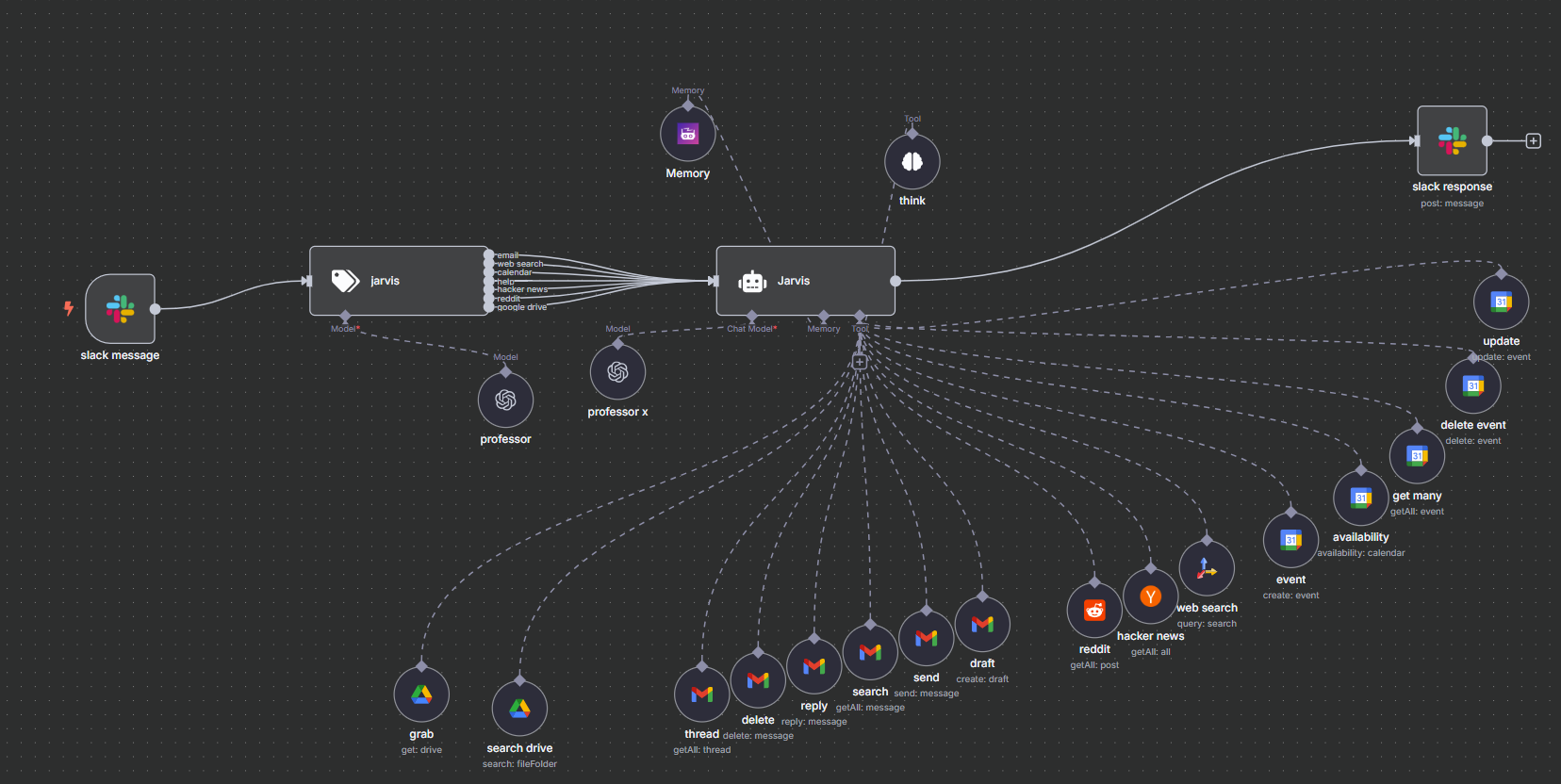
WHY AA19?
There was never a master plan to build nineteen functions.
Nineteen simply kept showing up.
It was the number that kept appearing as the system took shape, the number that quietly anchored the architecture as it grew.
Then one day the system was counted.
Nineteen.
So the name stayed.
TRUST IS BUILT THROUGH EVIDENCE.
Autonomy is not a setting. It is a sequence.
Evidence builds trust. Trust expands responsibility. Responsibility earns autonomy. Each step depends on the one before it, which is why none of them can be skipped.
WHAT AA19
REMEMBERS.
- Approvals.
- Corrections.
- Outcomes.
- Patterns.
Most systems focus on activity. AA19 focuses on judgment.
Every approval is evidence. Every correction is a lesson. Every outcome is feedback. Every pattern is a standard the organization can build on.
Nothing valuable gets lost.
AA19 is not trying to automate work. It is trying to make the organization wiser.
WHAT WE BELIEVE.
Experience belongs to the organization, not to the people who happened to be in the room when it happened.
Knowing what happened is useful. Knowing why it happened and what to do about it is significantly more valuable.
An organization should not rediscover the same solution simply because time has passed or the people involved have changed.
Autonomy should never exist because someone toggled a setting. It develops because the organization has demonstrated consistent judgment.
THE OBJECTIVE.
AA19 exists to help organizations remember what they have already learned.
The objective has never been to replace people or remove founders from the business.
The objective is to ensure that the knowledge created by those people continues to improve the organization long after the work itself has been completed.
Organizations should remember. Organizations should learn.
The result is a business that becomes wiser with every decision.
Less dependency. More leverage. Freedom as the outcome.
Organizations should remember.
Organizations should learn.
Freedom is the goal.
AA19 exists so the knowledge you create continues to improve the business long after the work is done.